
Can Macular Degeneration Be Reversed?
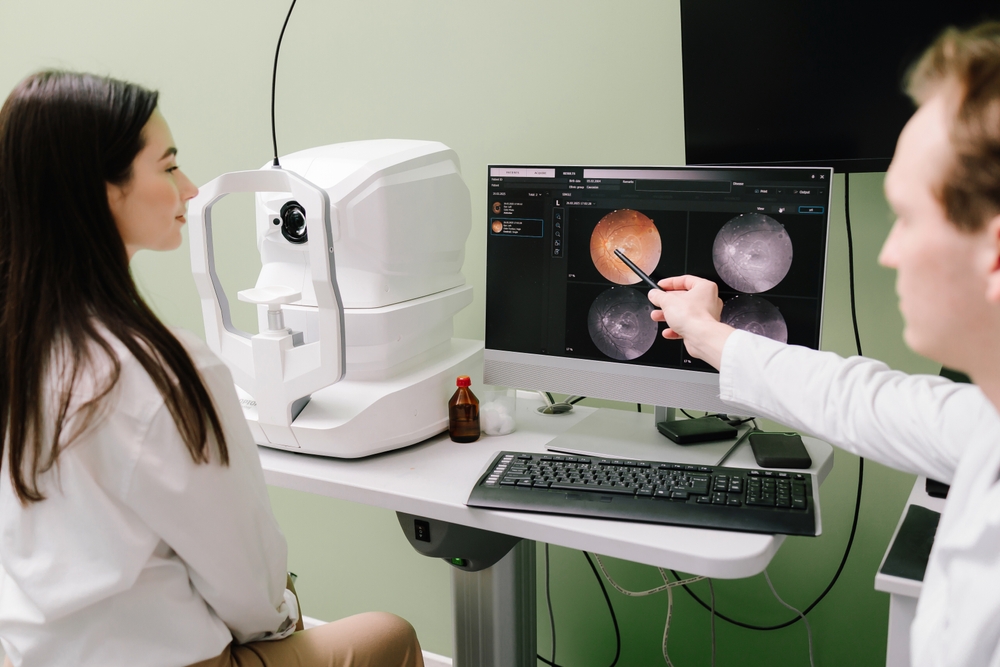
Macular degeneration is one of the leading causes of vision loss, especially in older adults. It can affect the way you see fine details, read, or recognize faces. While macular degeneration cannot currently be “cured,” many treatments can slow its progression, preserve vision, and, in some cases, improve certain symptoms. Here’s what you should know about AMD, early detection, and how routine eye exams play a critical role in managing this condition.
What Is Age-Related Macular Degeneration (AMD)?
Age-related macular degeneration (AMD) is an eye disease that affects the macula, the part of your retina responsible for central vision. It typically develops in adults over 50 and comes in two forms:
• Dry AMD: This is the most common type. The macula gradually thins over time, leading to slow and progressive vision loss. Dry AMD cannot be reversed, but lifestyle adjustments and targeted supplements may help slow the disease.
• Wet AMD: This form is less common but more severe. Abnormal blood vessels grow beneath the retina and leak fluid or blood, causing rapid central vision loss. Wet AMD cannot be reversed, but treatments such as anti-VEGF injections can stabilize vision or even improve it for many patients.
Can Macular Degeneration Be Reversed?
Although AMD cannot be fully reversed, early detection and proper treatment can dramatically change the outcome. For patients with wet AMD, timely intervention may restore some vision and prevent further damage. For dry AMD, the focus is on slowing progression and supporting long-term macular health. No matter the type, the most effective way to protect your vision is through a personalized plan for eye disease management with your eye doctor.
Early Detection Is Key
AMD often develops silently - many people do not notice symptoms until vision changes are already significant. Detecting AMD in its earliest stages gives you the greatest chance of preserving your sight.
Early detection allows your optometrist to:
• Identify the type and stage of AMD
• Monitor changes in your retina over time
• Begin treatments or lifestyle interventions immediately
• Reduce the risk of severe vision loss
• Establish an eye disease management plan tailored to your needs
The Importance of Routine Eye Exams
Routine medical eye exams are essential, especially if you are over 50 or have risk factors such as family history, smoking, or high blood pressure. During your exam, your doctor at Northeast Eye Care will use advanced diagnostic technology to look for early signs of AMD before noticeable changes occur.
Regular eye exams help:
• Track the health of your macula
• Detect subtle changes early
• Ensure that any necessary treatments begin promptly
• Protect your long-term visual function
Preventive care is one of the strongest tools we have in slowing AMD progression.
Take the Next Step in Protecting Your Vision
While macular degeneration cannot be fully reversed, the right combination of early detection, routine eye exams, and proactive eye disease management can slow progression and protect your vision. Staying informed and maintaining regular visits with your eye doctor gives you the best chance of preserving your sight for the future.
If you’re concerned about macular degeneration, schedule a medical eye exam at Northeast Eye Care for advanced diagnostic testing and customized care plans to support your long-term eye health. Visit our office in West Point, Oakland, or Pender, Nebraska. Call (402) 372-3266, (402) 380-9818, or (402) 385-8972 to book an appointment today.
Quick Links
Helpful Articles
article_category: products
article_category: psychiatry
article_category: faqs
article_category: cats
article_category: general
article_category: services
article_category: technology
article_category: dogs
article_category: restorative
article_category: vision therapy
article_category: contact lenses
article_category: health
article_category: conditions
article_category: eye surgery co-management
article_category: exotic
article_category: cosmetic
article_category: surgical procedures
article_category: aesthetics
article_category: preventative
article_category: ocular disease management
article_category: eyeglasses
article_category: eye health
article_category: large animal
[]
article_category: psychiatry
article_category: faqs
article_category: cats
article_category: general
article_category: services
article_category: technology
article_category: dogs
article_category: restorative
article_category: vision therapy
article_category: contact lenses
article_category: health
article_category: conditions
article_category: eye surgery co-management
article_category: exotic
article_category: cosmetic
article_category: surgical procedures
article_category: aesthetics
article_category: preventative
article_category: ocular disease management
article_category: eyeglasses
article_category: eye health
article_category: large animal
[]
Flowbite is an open-source library of interactive components built on top of Tailwind CSS including buttons, dropdowns, modals, navbars, and more.
Check out this guide to learn how to get started and start developing websites even faster with components on top of Tailwind CSS.
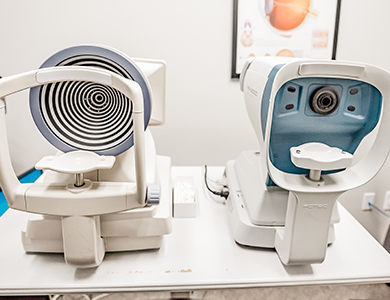
All Eye Care Services
Find personalized eye care excellence with our comprehensive services. From eye exams to advanced diagnostics, trust us for all your vision needs.
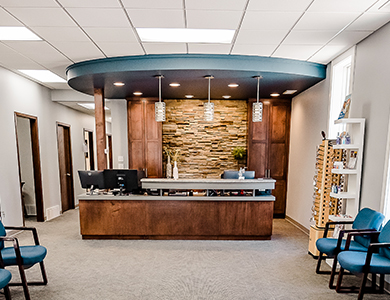
Keep In Touch
For non-urgent questions or to learn more about our services, contact us today!
West Point Office
- Monday 9:00am - 5:00pm
- Tuesday 9:00am - 5:00pm
- Wednesday 9:00am - 5:00pm
- Thursday 9:00am - 7:00pm
- Friday 9:00am - 4:00pm
- Saturday Closed
- Sunday Closed
Oakland Office
- Monday Closed
- Tuesday Closed
- Wednesday 9:30am – 5:00pm
- Thursday Closed
- Friday Closed
- Saturday Closed
- Sunday Closed
Pender Office
- Monday Closed
- Tuesday 9:30am – 5:00pm
- Wednesday Closed
- Thursday Closed
- Friday Closed
- Saturday Closed
- Sunday Closed
© 2026 Northeast Eye Care. All rights Reserved -
Accessibility Statement
-
Privacy Policy
-
Terms and Conditions
-
Sitemap
Managed and Designed by 