
Diabetic Eye Exams: Why They Matter
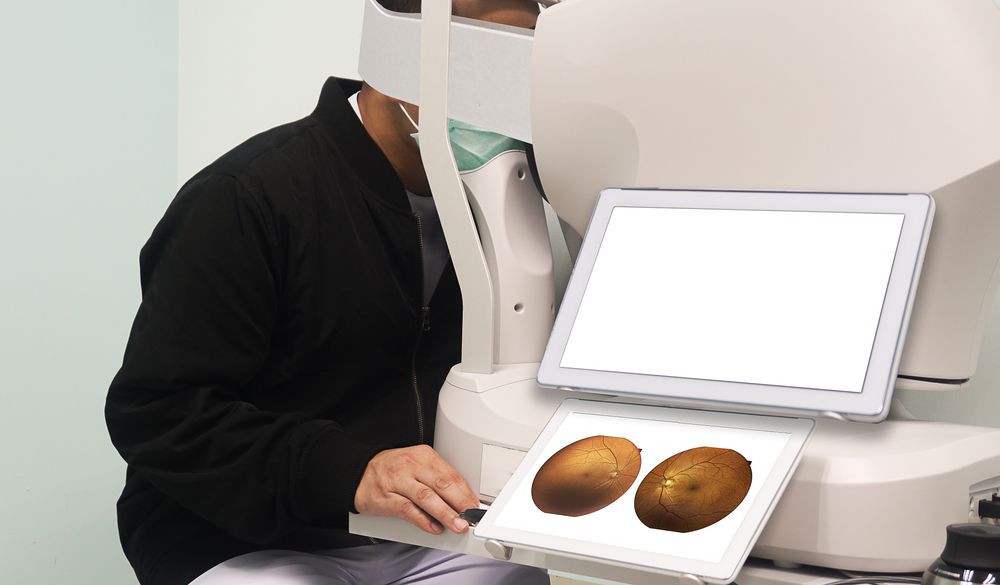
Living with diabetes means paying close attention to your overall health - and that includes your eyes. Diabetes can silently affect your vision long before you notice any changes. At Northeast Eye Care, we emphasize the importance of routine diabetic eye exams to detect problems early, protect your sight, and preserve your long-term eye health.
How Diabetes Affects the Eyes
Diabetes impacts the body’s blood vessels, including the tiny, delicate vessels in the retina. When blood sugar levels are consistently high, these vessels can weaken, leak, or become blocked. Over time, this damage may lead to serious eye conditions such as diabetic retinopathy, diabetic macular edema, cataracts, and glaucoma.
Diabetic retinopathy is one of the leading causes of vision loss among adults. In its early stages, it often presents no noticeable symptoms. As the condition progresses, patients may experience blurred vision, floaters, dark spots, or even sudden vision loss. The key to preventing permanent damage is early detection through regular comprehensive eye exams.
The Importance of Annual Diabetic Eye Exams
Many patients believe that if their vision seems fine, their eyes must be healthy. Unfortunately, diabetic eye disease can develop without pain or obvious warning signs. An annual diabetic eye exam allows your optometrist to examine the retina in detail, often using dilation and advanced imaging technology to detect even subtle changes.
Early diagnosis makes a significant difference. When caught early, diabetic eye conditions can often be managed effectively through blood sugar control, lifestyle adjustments, and coordination with your primary care physician or specialist. In more advanced cases, timely treatment can prevent further progression and reduce the risk of vision loss.
What to Expect During a Diabetic Eye Exam
A diabetic eye exam is thorough and focused on evaluating the health of your retina and optic nerve. Your doctor will review your medical history, measure your visual acuity, check eye pressure, and perform a dilated retinal exam. Imaging tests such as retinal photography may also be used to assess any swelling or vascular changes.
The process is comfortable and non-invasive, and dilation typically causes temporary light sensitivity and blurred near vision for a few hours. These detailed evaluations provide crucial information about the early signs of diabetic eye disease.
Stay Ahead of Diabetic Eye Disease with Northeast Eye Care
Diabetic eye disease can develop quietly, but its impact can be life-changing. Routine diabetic eye exams play a critical role in detecting problems early - before symptoms appear and before vision is permanently affected. By staying proactive and scheduling annual eye exams, you take an important step toward protecting your sight for years to come.
Contact Northeast Eye Care to schedule your diabetic eye exam and take control of your eye health. Visit our office in West Point, Oakland, or Pender, Nebraska. Call (402) 372-3266, (402) 380-9818, or (402) 385-8972 to book an appointment today.
Quick Links
Helpful Articles
article_category: products
article_category: psychiatry
article_category: faqs
article_category: cats
article_category: general
article_category: services
article_category: technology
article_category: dogs
article_category: restorative
article_category: vision therapy
article_category: contact lenses
article_category: health
article_category: conditions
article_category: eye surgery co-management
article_category: exotic
article_category: cosmetic
article_category: surgical procedures
article_category: aesthetics
article_category: preventative
article_category: ocular disease management
article_category: eyeglasses
article_category: eye health
article_category: large animal
[]
article_category: psychiatry
article_category: faqs
article_category: cats
article_category: general
article_category: services
article_category: technology
article_category: dogs
article_category: restorative
article_category: vision therapy
article_category: contact lenses
article_category: health
article_category: conditions
article_category: eye surgery co-management
article_category: exotic
article_category: cosmetic
article_category: surgical procedures
article_category: aesthetics
article_category: preventative
article_category: ocular disease management
article_category: eyeglasses
article_category: eye health
article_category: large animal
[]
Flowbite is an open-source library of interactive components built on top of Tailwind CSS including buttons, dropdowns, modals, navbars, and more.
Check out this guide to learn how to get started and start developing websites even faster with components on top of Tailwind CSS.
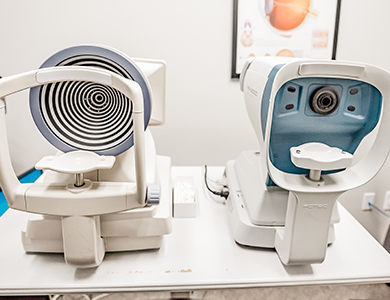
All Eye Care Services
Find personalized eye care excellence with our comprehensive services. From eye exams to advanced diagnostics, trust us for all your vision needs.
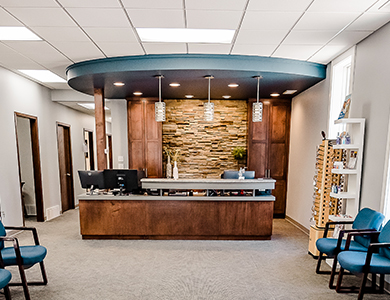
Keep In Touch
For non-urgent questions or to learn more about our services, contact us today!
West Point Office
- Monday 9:00am - 5:00pm
- Tuesday 9:00am - 5:00pm
- Wednesday 9:00am - 5:00pm
- Thursday 9:00am - 7:00pm
- Friday 9:00am - 4:00pm
- Saturday Closed
- Sunday Closed
Oakland Office
- Monday Closed
- Tuesday Closed
- Wednesday 9:30am – 5:00pm
- Thursday Closed
- Friday Closed
- Saturday Closed
- Sunday Closed
Pender Office
- Monday Closed
- Tuesday 9:30am – 5:00pm
- Wednesday Closed
- Thursday Closed
- Friday Closed
- Saturday Closed
- Sunday Closed
© 2026 Northeast Eye Care. All rights Reserved -
Accessibility Statement
-
Privacy Policy
-
Terms and Conditions
-
Sitemap
Managed and Designed by 