
Emerging Therapies and Research in Macular Degeneration

Macular degeneration is a condition that affects the macula, the part of the retina responsible for central vision. This can make it harder to read, recognize faces, drive, or see fine details. While age-related macular degeneration is more common in older adults, early detection and ongoing monitoring are important for protecting long-term vision.
At Northeast Eye Care, we help patients understand their risk factors, monitor changes in the retina, and explore care options that may support better vision outcomes.
Why Early Detection Still Matters
Even as new research continues to expand treatment possibilities, early detection remains one of the most important parts of macular degeneration care. Many people do not notice symptoms in the earliest stages, which is why comprehensive eye exams are so important.
During an eye exam, we can evaluate the retina, look for early signs of macular changes, and recommend follow-up care when needed. The sooner we identify changes, the better we can help patients protect their remaining vision.
Advances in Wet Macular Degeneration Treatment
Wet macular degeneration is often treated with medications that help control abnormal blood vessel growth and leakage in the retina. These treatments have helped many patients maintain vision and slow further damage.
Research continues to focus on longer-lasting treatment options that may reduce how often some patients need injections. Newer medications and delivery systems are being studied to help provide more consistent disease control with fewer visits over time.
Research for Dry Macular Degeneration
Dry macular degeneration is more common than wet macular degeneration, but treatment options have historically been more limited. Today, research is expanding into therapies that target inflammation, retinal cell damage, and disease progression.
Some newer therapies are focused on slowing advanced dry macular degeneration, especially geographic atrophy. While not every patient is a candidate for these treatments, this research represents meaningful progress for people living with advanced retinal changes.
Promising Areas of Future Care
Researchers are exploring several approaches that may shape the future of macular degeneration treatment, including:
- Gene therapy designed to help the eye produce protective proteins
- Stem cell research focused on replacing or supporting damaged retinal cells
- Longer-lasting medication delivery systems
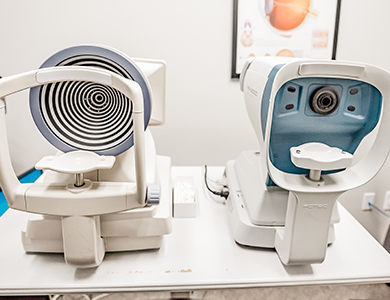
- Advanced imaging tools that detect subtle retinal changes earlier
- Personalized treatment plans based on genetics, risk factors, and disease stage
These developments are still evolving, but they show how quickly macular degeneration care is advancing.
How Patients Can Support Their Eye Health
While emerging therapies are important, everyday eye health habits still play a role. Patients with macular degeneration or a family history of the condition should keep regular eye exams, avoid smoking, protect their eyes from UV exposure, and ask their eye doctor about nutrition and lifestyle recommendations.
We may also recommend specific monitoring tools or supplements depending on the type and stage of macular degeneration. Care should always be personalized to the patient’s eye health, medical history, and risk level.
Staying Informed With Northeast Eye Care
Macular degeneration research continues to move forward, and our goal is to help patients understand what these changes may mean for their vision. Whether you have been diagnosed with macular degeneration or want to learn more about your risk, we are here to provide guidance, monitoring, and support.
To schedule an eye exam or discuss macular degeneration care, contact Northeast Eye Care in West Point, Oakland, or Pender, NE by calling (402) 372-3266.
Quick Links
Helpful Articles
article_category: products
article_category: psychiatry
article_category: faqs
article_category: cats
article_category: general
article_category: services
article_category: technology
article_category: dogs
article_category: restorative
article_category: vision therapy
article_category: contact lenses
article_category: health
article_category: conditions
article_category: eye surgery co-management
article_category: exotic
article_category: cosmetic
article_category: surgical procedures
article_category: aesthetics
article_category: preventative
article_category: ocular disease management
article_category: eyeglasses
article_category: eye health
article_category: large animal
[]
article_category: psychiatry
article_category: faqs
article_category: cats
article_category: general
article_category: services
article_category: technology
article_category: dogs
article_category: restorative
article_category: vision therapy
article_category: contact lenses
article_category: health
article_category: conditions
article_category: eye surgery co-management
article_category: exotic
article_category: cosmetic
article_category: surgical procedures
article_category: aesthetics
article_category: preventative
article_category: ocular disease management
article_category: eyeglasses
article_category: eye health
article_category: large animal
[]
Flowbite is an open-source library of interactive components built on top of Tailwind CSS including buttons, dropdowns, modals, navbars, and more.
Check out this guide to learn how to get started and start developing websites even faster with components on top of Tailwind CSS.
All Eye Care Services
Find personalized eye care excellence with our comprehensive services. From eye exams to advanced diagnostics, trust us for all your vision needs.
Keep In Touch
For non-urgent questions or to learn more about our services, contact us today!
West Point Office
- Monday 9:00am - 5:00pm
- Tuesday 9:00am - 5:00pm
- Wednesday 9:00am - 5:00pm
- Thursday 9:00am - 7:00pm
- Friday 9:00am - 4:00pm
- Saturday Closed
- Sunday Closed
Oakland Office
- Monday Closed
- Tuesday Closed
- Wednesday 9:30am – 5:00pm
- Thursday Closed
- Friday Closed
- Saturday Closed
- Sunday Closed
Pender Office
- Monday Closed
- Tuesday 9:30am – 5:00pm
- Wednesday Closed
- Thursday Closed
- Friday Closed
- Saturday Closed
- Sunday Closed
© 2026 Northeast Eye Care. All rights Reserved -
Accessibility Statement
-
Privacy Policy
-
Terms and Conditions
-
Sitemap
Managed and Designed by 