
What to Expect During an OptiLight IPL Session for Dry Eye at Northeast Eye Care
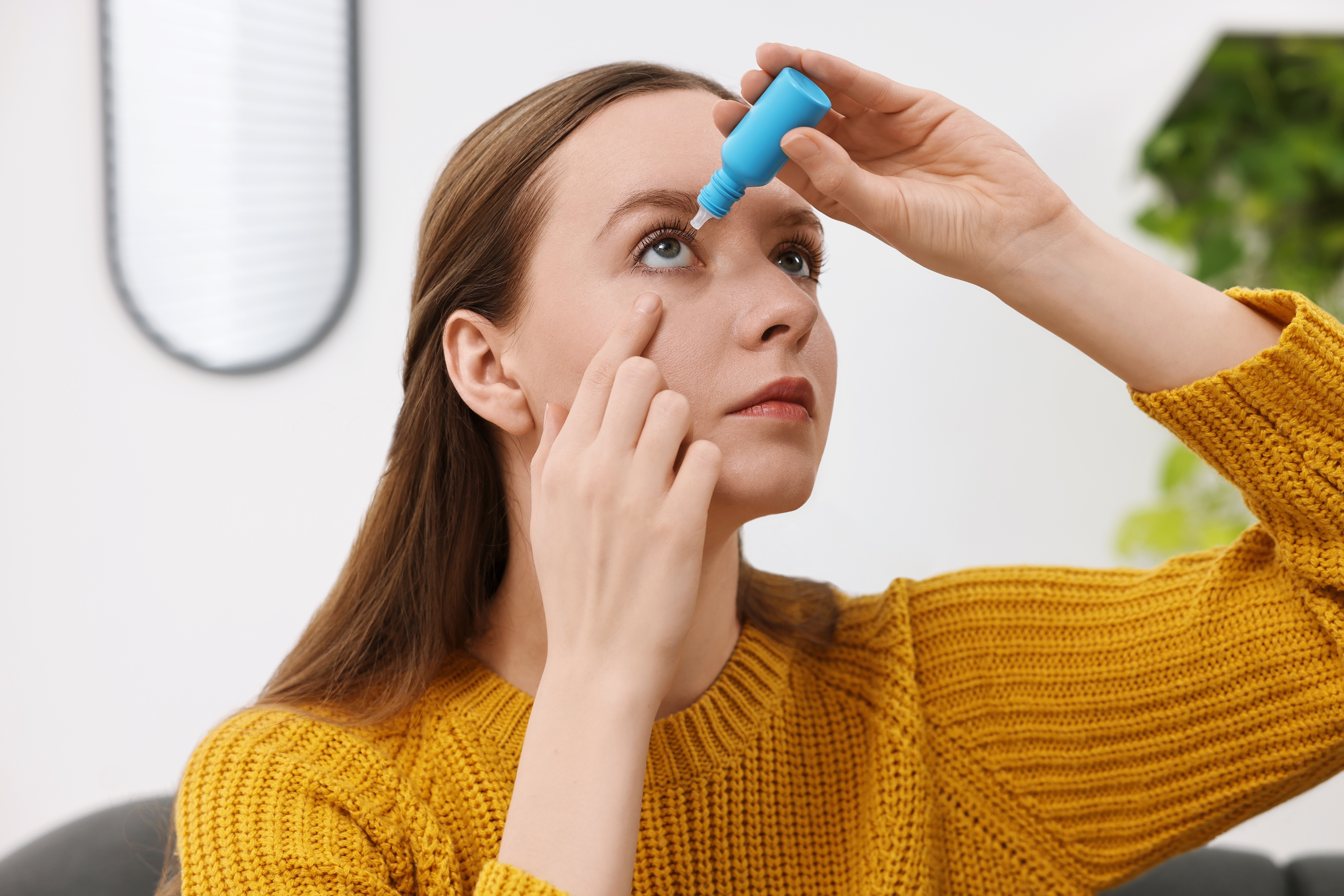
Persistent burning, grittiness, watering, and fluctuating vision can make dry eye difficult to manage with artificial tears alone. For many patients, the underlying problem involves meibomian gland dysfunction, or MGD, which affects the oil-producing glands along the eyelids and causes tears to evaporate too quickly.
At Northeast Eye Care, we offer OptiLight IPL for qualifying dry eye patients in West Point. This noninvasive, light-based treatment is designed to improve signs of dry eye associated with MGD and may be incorporated into a broader personalized treatment plan.
Before Your OptiLight Treatment
Your care begins with a dry eye evaluation rather than immediately scheduling IPL. We examine your symptoms, tear film, eyelids, meibomian glands, health history, medications, and previous treatments to determine what is contributing to your discomfort.
OptiLight is intended for certain adults with moderate to severe dry eye associated with MGD. Not every patient is a candidate, so it is important to tell us about photosensitive medications, recent eye procedures, skin conditions, infections, and other health concerns before treatment.
If OptiLight is appropriate, our West Point dry eye team will explain your treatment schedule and provide instructions for preparing for each appointment.
What Happens During an OptiLight IPL Session?
An OptiLight session is relatively quick and typically takes about 15 to 20 minutes at Northeast Eye Care.
During your appointment, you can expect several steps:
- Your skin will be prepared for treatment
- Protective eyewear will completely cover and shield your eyes
- A cooling gel may be applied to the treatment area
- Controlled pulses of intense pulsed light will be delivered across the approved facial treatment area
- You may notice brief flashes, warmth, or a mild tingling sensation
- Additional dry eye treatment may be recommended based on your individual plan
OptiLight is applied to the skin below and around the eyes rather than directly to the eyeball. In the United States, the FDA-authorized treatment area is the malar region of the face, extending from one side to the other and including the nose, while the eyes remain fully protected.
How Does OptiLight Help Dry Eye?
Healthy meibomian glands release oils that form the outer layer of the tear film. These oils help keep tears from evaporating too quickly. When the glands become blocked or their secretions become unhealthy, the eye surface can dry out between blinks.
OptiLight uses precisely controlled intense pulsed light to address inflammation associated with MGD and support healthier gland function. Clinical research used in the device's authorization showed improvements in tear stability, meibomian gland secretions, and gland expressibility.
For some West Point patients, OptiLight may be combined with treatments such as meibomian gland expression, lubricating tears, warm compresses, or other therapies. The goal is to address the factors contributing to dry eye instead of relying only on temporary moisture.
What Does OptiLight Feel Like?
Most patients remain awake and comfortable throughout the appointment. You may feel brief warmth or tingling as each pulse is delivered. Northeast Eye Care describes the procedure as noninvasive, with patients generally able to return to normal daily activities afterward.
Temporary skin sensitivity or other side effects are possible, and your doctor will review potential risks before beginning treatment. Following your aftercare instructions is important for protecting the treated area.
Will One Session Be Enough?
Dry eye caused by MGD is usually managed over time rather than corrected with one appointment. OptiLight is commonly provided as a series of treatments, with the exact plan based on your examination findings and response to care.
Follow-up visits allow us to monitor your symptoms, tear quality, and gland function. Your long-term plan may also include at-home eyelid care, artificial tears, environmental changes, or additional in-office therapies available through Northeast Eye Care's Dry Eye Center.
Schedule your OptiLight IPL dry eye evaluation with Northeast Eye Care at 101 W. Decatur St., West Point, NE 68788. Call (402) 372-3266 to find out whether OptiLight belongs in your personalized dry eye treatment plan.
Quick Links
Helpful Articles
article_category: products
article_category: psychiatry
article_category: faqs
article_category: cats
article_category: general
article_category: services
article_category: technology
article_category: dogs
article_category: restorative
article_category: vision therapy
article_category: contact lenses
article_category: health
article_category: conditions
article_category: eye surgery co-management
article_category: exotic
article_category: cosmetic
article_category: surgical procedures
article_category: aesthetics
article_category: preventative
article_category: ocular disease management
article_category: eyeglasses
article_category: eye health
article_category: large animal
[]
article_category: psychiatry
article_category: faqs
article_category: cats
article_category: general
article_category: services
article_category: technology
article_category: dogs
article_category: restorative
article_category: vision therapy
article_category: contact lenses
article_category: health
article_category: conditions
article_category: eye surgery co-management
article_category: exotic
article_category: cosmetic
article_category: surgical procedures
article_category: aesthetics
article_category: preventative
article_category: ocular disease management
article_category: eyeglasses
article_category: eye health
article_category: large animal
[]
Flowbite is an open-source library of interactive components built on top of Tailwind CSS including buttons, dropdowns, modals, navbars, and more.
Check out this guide to learn how to get started and start developing websites even faster with components on top of Tailwind CSS.
All Eye Care Services
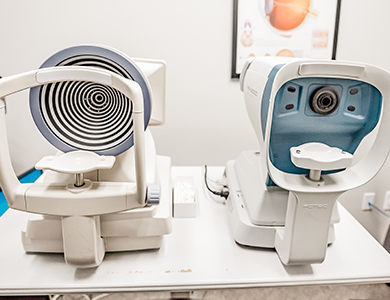
Find personalized eye care excellence with our comprehensive services. From eye exams to advanced diagnostics, trust us for all your vision needs.
Keep In Touch
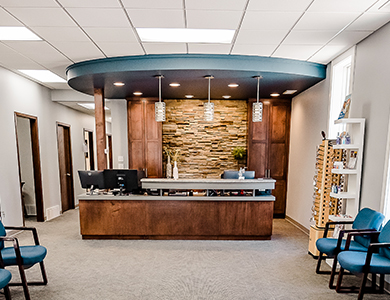
For non-urgent questions or to learn more about our services, contact us today!
West Point Office
- Monday 9:00am - 5:00pm
- Tuesday 9:00am - 5:00pm
- Wednesday 9:00am - 5:00pm
- Thursday 9:00am - 7:00pm
- Friday 9:00am - 4:00pm
- Saturday Closed
- Sunday Closed
Oakland Office
- Monday Closed
- Tuesday Closed
- Wednesday 9:30am – 5:00pm
- Thursday Closed
- Friday Closed
- Saturday Closed
- Sunday Closed
Pender Office
- Monday Closed
- Tuesday 9:30am – 5:00pm
- Wednesday Closed
- Thursday Closed
- Friday Closed
- Saturday Closed
- Sunday Closed
© 2026 Northeast Eye Care. All rights Reserved -
Accessibility Statement
-
Privacy Policy
-
Terms and Conditions
-
Sitemap
Managed and Designed by 