Why Harvest Season Dust and Nebraska Winds Trigger Chronic Dry Eye in Cuming County
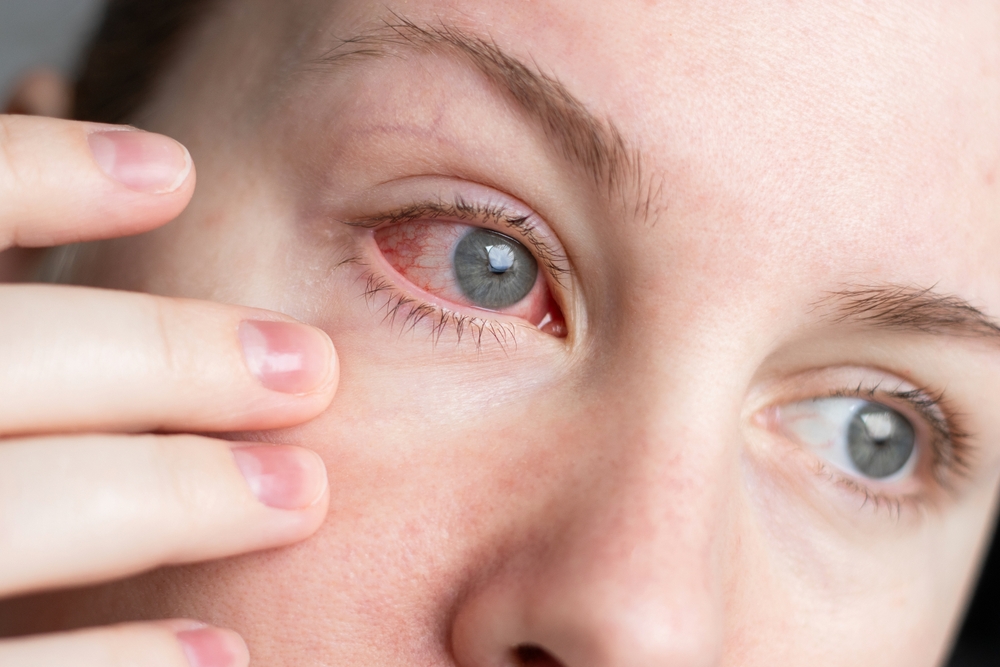
Harvest season is an important time of year across Cuming County, but it can also be challenging for people who struggle with chronic dry eye. Dust from fields, crop residue, lower humidity, and strong Nebraska winds can leave the eyes feeling irritated, gritty, watery, or unusually sensitive. At Northeast Eye Care, we help identify what is contributing to persistent dry eye symptoms and recommend treatment based on the underlying cause.
Why Fall Conditions Can Make Dry Eye Worse
A healthy tear film keeps the surface of the eye lubricated and protected. Wind and dry air can cause tears to evaporate more quickly, while airborne dust and debris can further irritate the ocular surface.
During harvest season in Cuming County, people who spend significant time outdoors, work around agricultural equipment, or regularly drive through rural areas may notice symptoms becoming more frequent. Even patients who normally have mild dry eye may experience a noticeable seasonal flare.
Common symptoms can include:
• Burning, stinging, or gritty eyes
• Redness and irritation
• Excessive watering
• Fluctuating or blurry vision
• Light sensitivity
• Eye fatigue
• Difficulty wearing contact lenses
Persistent symptoms should not simply be dismissed as a normal part of harvest season.
Meibomian Gland Dysfunction and Chronic Dry Eye
One common cause of chronic dry eye is meibomian gland dysfunction, or MGD. The meibomian glands along the eyelids produce oils that help prevent the watery portion of your tears from evaporating too quickly.
When these glands become blocked or stop producing healthy oils, the tear film may become unstable. Nebraska wind and dry conditions can make evaporation even more noticeable, which is why patients with MGD may experience increased discomfort during the fall. Our dry eye evaluations help us determine whether MGD, inflammation, tear film instability, environmental exposure, or another factor may be contributing to your symptoms.
How IPL Can Help With Dry Eye
For appropriate patients, we offer OptiLight intense pulsed light, or IPL, therapy. IPL uses controlled pulses of light around the eyelid area to support healthier meibomian gland function and improve tear film quality.
IPL can be particularly helpful when chronic dry eye is associated with MGD and inflammation. Rather than relying only on artificial tears for temporary lubrication, treatment can address factors contributing to recurring symptoms.
RF Treatment For Meibomian Gland Dysfunction
We also offer TempSure Envi radiofrequency, or RF, treatment. RF technology delivers controlled heat to the eyelid area, helping warm clogged meibomian glands so oils can flow more effectively.
Depending on the cause and severity of your dry eye, we may recommend RF, IPL, or another personalized approach. The goal is to improve the quality and stability of your natural tear film so your eyes remain more comfortable throughout changing Nebraska conditions.
Protect Your Eyes From Seasonal Dryness
Schedule a dry eye evaluation with Northeast Eye Care to find out whether IPL, RF, or another treatment may be right for you. Visit our office in West Point, Oakland, or Pender, Nebraska. Call (402) 372-3266, (402) 380-9818, or (402) 385-8972 to book an appointment today.
Quick Links
Helpful Articles
article_category: products
article_category: psychiatry
article_category: faqs
article_category: cats
article_category: general
article_category: services
article_category: technology
article_category: dogs
article_category: restorative
article_category: vision therapy
article_category: contact lenses
article_category: health
article_category: conditions
article_category: eye surgery co-management
article_category: exotic
article_category: cosmetic
article_category: surgical procedures
article_category: aesthetics
article_category: preventative
article_category: ocular disease management
article_category: eyeglasses
article_category: eye health
article_category: large animal
[]
Flowbite is an open-source library of interactive components built on top of Tailwind CSS including buttons, dropdowns, modals, navbars, and more.
Check out this guide to learn how to get started and start developing websites even faster with components on top of Tailwind CSS.
All Eye Care Services
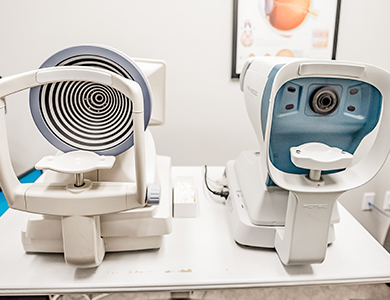
Find personalized eye care excellence with our comprehensive services. From eye exams to advanced diagnostics, trust us for all your vision needs.
Keep In Touch
For non-urgent questions or to learn more about our services, contact us today!
West Point Office
- Monday 9:00am - 5:00pm
- Tuesday 9:00am - 5:00pm
- Wednesday 9:00am - 5:00pm
- Thursday 9:00am - 7:00pm
- Friday 9:00am - 4:00pm
- Saturday Closed
- Sunday Closed
Oakland Office
- Monday Closed
- Tuesday Closed
- Wednesday 9:30am – 5:00pm
- Thursday Closed
- Friday Closed
- Saturday Closed
- Sunday Closed
Pender Office
- Monday Closed
- Tuesday 9:30am – 5:00pm
- Wednesday Closed
- Thursday Closed
- Friday Closed
- Saturday Closed
- Sunday Closed
© 2026 Northeast Eye Care. All rights Reserved -
Accessibility Statement
-
Privacy Policy
-
Terms and Conditions
-
Sitemap
Managed and Designed by 